EnergyEfficiencyOptimizationConsultingthat diagnoses energy pain points before recommending targeted improvements
Energy audit, improvement design, subsidy application — quantify savings potential before spending.
High electricity bills, unclear carbon management, complex subsidy applications — usually not solved just by replacing equipment, but by diagnosing the energy consumption structure first. With our team's 30 years and 1,000+ companies, we integrate energy audits, efficiency improvement design, and government subsidy assistance — quantifying your savings potential before any investment decision.
🔴 Energy audits require on-site visits; quarterly advisory slots are limited — only a few remain



An Energy Efficiency Investment That Works Starts From Three Macro Points
Diagnosis First — Not Equipment Sales First
Most vendors equate efficiency with "switching to inverter drives" or "adding sensors," skipping a whole-plant energy audit. Without mapping energy hot spots first, partial fixes leave the biggest consumers untouched and capex doesn't show on the electricity bill. We insist every engagement starts with a full energy audit — quantifying hot spots across compressed air, motors, and ventilation before proposing any improvement or equipment.
Carbon Management Is a Supply-Chain Entry Condition, Not a Slogan
EU CBAM, Taiwan's carbon fee, and supply-chain carbon requirements from global brands have turned "efficiency and carbon reduction" from an image issue into a survival issue. With our team's 30 years, 1,000+ companies, and five sectors, we know which improvements map to Scope 1/2 GHG inventories and anticipate compliance challenges at proposal time — finding the improvements that serve both efficiency and carbon management.
Efficiency Is a Compounding Advantage — Not a One-Off Investment
Efficiency improvements don't end at project close — they compound in every electricity bill, every GHG report, every customer audit. After diagnosis, VSD controls, smart scheduling, and air-leak sealing follow a priority sequence; capex can be phased and savings verified rolling. We design the roadmap as an accumulating structure so companies don't just cut one bill — they build a long-term energy management capability.
Hire a vendor and you get a batch of equipment. Work with Joseph and you get an end-to-end efficiency roadmap — audit, improvement design, subsidy application, and carbon management alignment, all connected.
Related ESG & Sustainability Services
ESG Integrated Services
Carbon inventory, sustainability report, disclosure platform, and training — integrated into one competitive advantage.
Learn morePower Quality Optimization
Grid purification, equipment cooling, energy targets, ESG compliance — systematic optimization from the source, zero upfront cost.
Learn moreSmart Lighting Solutions
Zero-upfront-cost intelligent lighting with 50-60% energy savings, 3-party contract protection, and 7-year scheduled maintenance.
Learn more









Three Things Most Firms Skip — But You Should Demand
Audit First, Not Sales First
Most vendors pitch inverter drives or sensors straight away, skipping a full energy audit. We insist on mapping energy hot spots and quantifying savings potential first, then designing improvements. With the order right, capex goes to the highest-return changes — something rarely done in the industry but always worth demanding.
Subsidy Integration to Lower the Entry Barrier
Taiwan's MOEA and NEA offer energy subsidy programmes, but the application process is complex and requires expertise to align with improvement design. We integrate subsidy applications to ETS standards alongside GHG inventory reporting — so companies launch improvements with minimum out-of-pocket, removing administrative friction from the path to efficiency.
Performance-Based Model — Start With Zero Upfront
Budget pressure is the most common barrier to efficiency projects. Working with equipment partners and third-party finance platforms, we offer a performance-payment model or co-investment structure — paying for improvements from future electricity savings, lowering financial risk and making the decision to start as easy as possible.
Our Team's 30 Years of Work, Results You Can See
From manufacturing to F&B, medical, and global brands — 1,000+ companies trust our design capabilities

普利司通

日月香肉鬆
View case →
多納烘焙
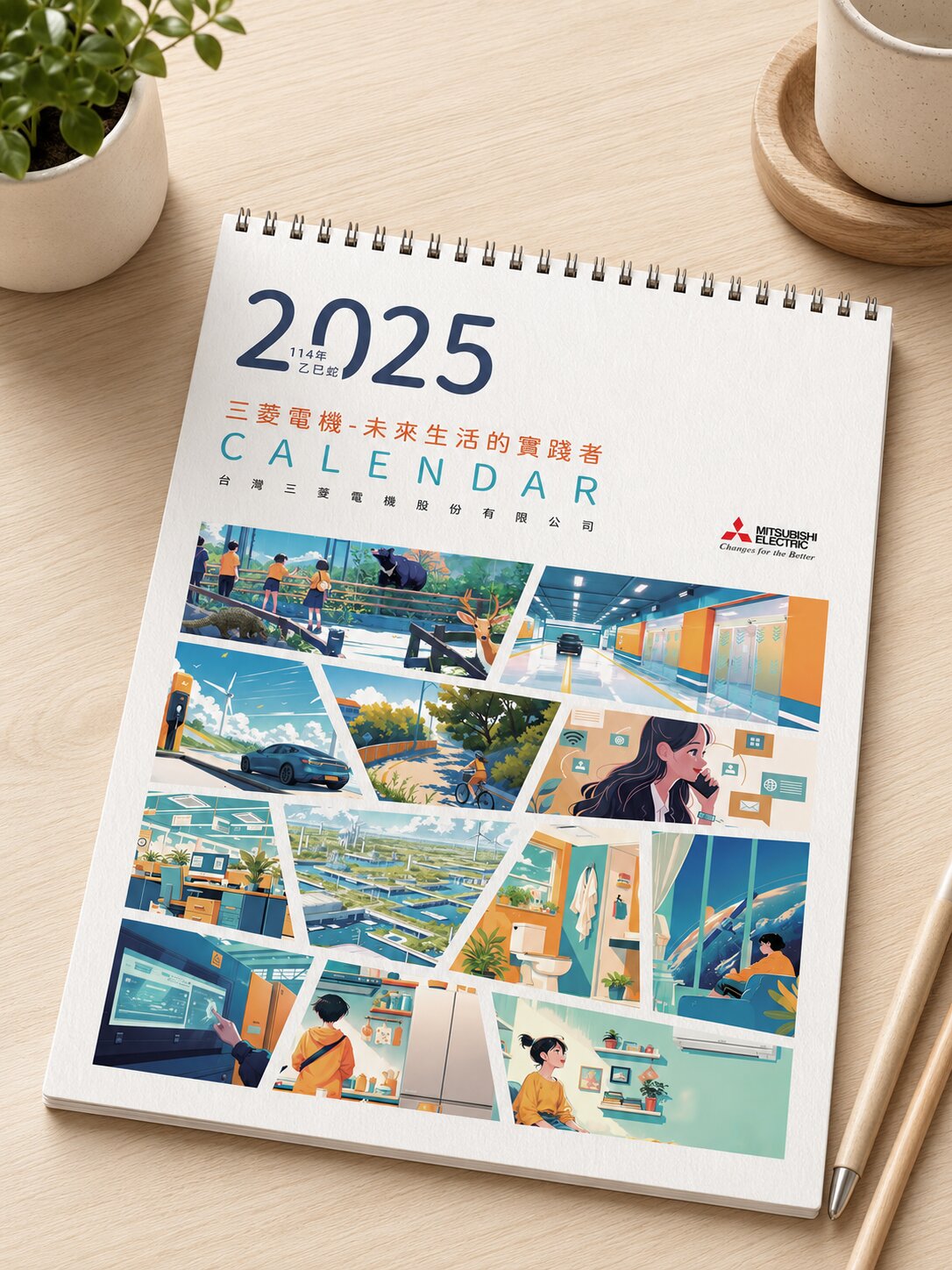
三菱電機

AURZ
View case →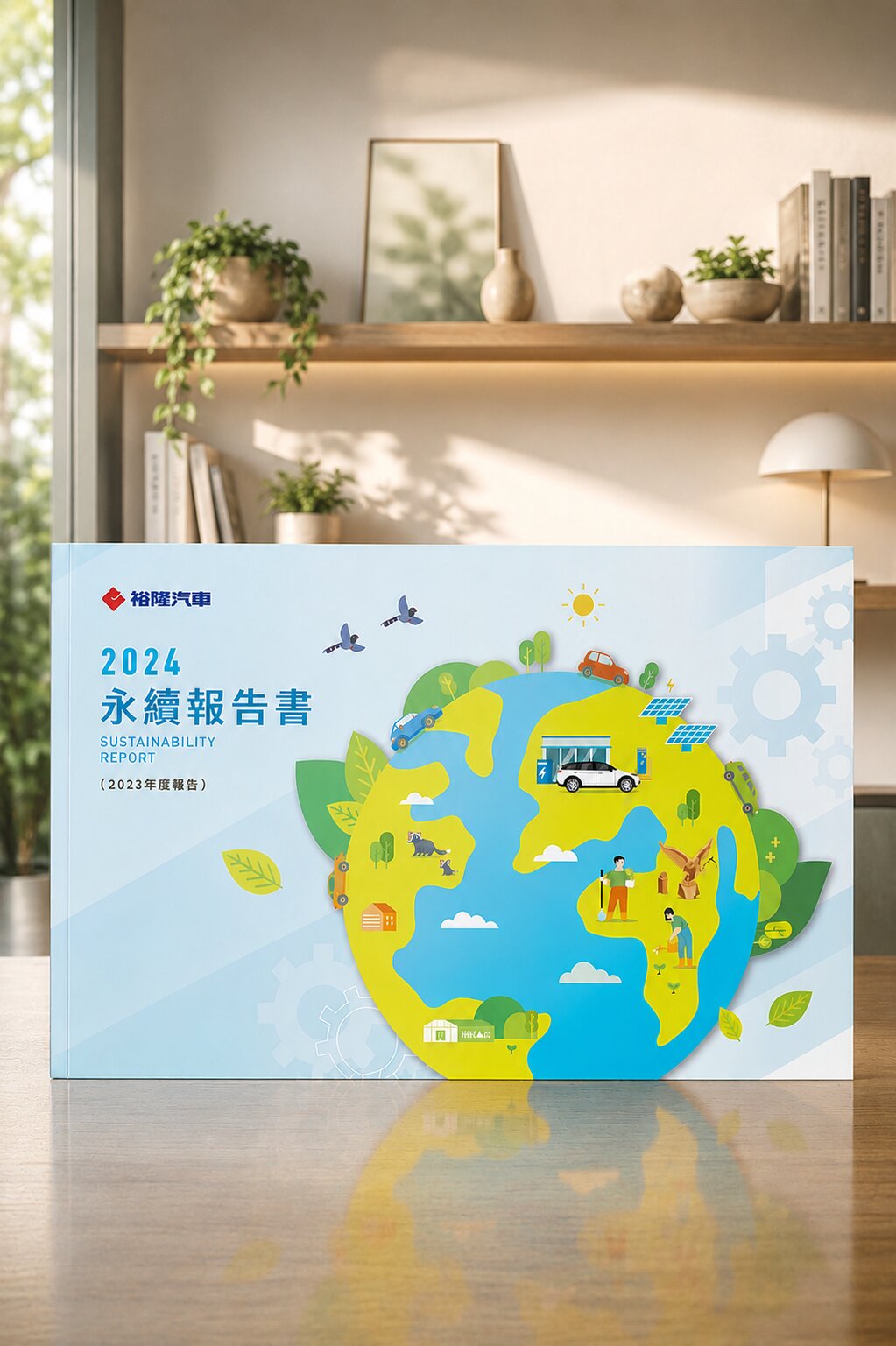
裕隆汽車

普利司通

禾善堂
The Right Efficiency Solution for Your Stage
The right entry point for efficiency improvements varies by industry and scale. See which scenario fits, and we'll confirm the right scope during consultation.
Scenario A: High Electricity Bill — Find the Culprit
- Electricity now represents a rising share of manufacturing cost, but you don't know where to start
- For: manufacturers, cold-chain warehouses, food processing plants
- Recommended: whole-plant energy audit + prioritised improvement report
Scenario B: Supply-Chain Carbon Requirements — Need to Comply
- Key customers or export markets require carbon data that your current process can't produce
- For: OEM manufacturers, textile, metal processing, chemical exporters
- Recommended: efficiency improvement design + GHG Scope 1/2 inventory integration
Scenario C: Willing to Improve — But Budget Is Tight
- You know you need to improve but uncertain about ROI and concerned about upfront capex
- For: mid-size manufacturers, high-tech facilities, medical campuses
- Recommended: subsidy integration + performance-payment model
From Audit to Implementation — Every Step Has a Deliverable
Initial Energy Consultation (60 min)
Clarify plant scale, major energy consumers, utility bill structure, and existing measures to scope the audit
Whole-Plant Energy Hot-Spot Mapping
On-site measurement of compressed-air, motor, ventilation, and lighting systems to identify the highest-potential hot spots
Savings Potential Quantification
From measurement data, calculate savings potential (kWh/yr), estimated cost reduction, and simple payback for each system
Efficiency Improvement Design & Technology Recommendations
Based on operational patterns and load characteristics, propose VSD controls, smart scheduling, air-leak sealing, and technical specs
Subsidy Planning & GHG Integration
Plan the subsidy application process to ETS standards and align improvements with Scope 1/2 GHG inventory requirements
Improvement Roadmap & Verification Plan
Consolidate improvement priorities, phased capex recommendations, and a verification methodology into an actionable efficiency upgrade roadmap
What Our Clients Say
We dreaded every electricity bill but had no idea where to start saving. The energy audit revealed our compressed-air leakage accounted for nearly 20% of whole-plant consumption. After fixing that, the bill actually dropped.
Metal Processing Manufacturer
Energy Audit · Compressed AirA customer required carbon data or they'd stop orders. We had nothing prepared. Joseph integrated efficiency improvements with GHG inventory in one project, solving both problems so we passed the customer audit.
OEM Manufacturer
GHG Integration · Supply ChainThe most valuable part wasn't just the report — they walked us through the entire subsidy application, so we started the efficiency project with almost zero out-of-pocket capital.
Food Processing Plant
Subsidy Application · Performance-Based30+ Years · 1,000+ Companies of Industrial & Corporate Work

SIN LING Connectors|Professional Catalogue & E-Book for a Connector Manufacturer
Clear architecture conveying the technical depth of industrial products
SIN LING is a precision-connector manufacturer with a wide product line and complex specifications. Buyers need to compare specs quickly. We designed the catalogue structure around the purchasing decision process, using clear categorisation and precise spec presentation; we also produced an e-book version for digital channels — a consistent professional image across trade show, print, and online.

NPUST|ESG Sustainability Report Design
GRI-aligned, data-visualised for readability
An ESG sustainability report is the core document a university presents to stakeholders — high information density, strict format requirements. We structured the content to GRI standards and replaced raw data with charts and visualisations, so stakeholders grasp key figures quickly while appreciating the institution's depth of commitment to E, S, and G dimensions — a compliant report with design quality.

Tung Sheng Gloves|Manufacturing Catalogue for Multi-Context Use
Scene-based imagery that shows buyers the application context at a glance
Tung Sheng's gloves cover multiple contexts — industrial protection, food hygiene, medical — each with different buyer decision criteria. We built the catalogue around scene-based imagery, showing each product in use rather than on a white background, combined with a clear category structure so factory buyers, traders, and end users all find the right product quickly, improving the catalogue's commercial conversion.

NTPU|ESG Sustainability Report Design
A coherent reading experience from cover to introduction
NTPU's ESG report required balance between visual quality and information structure. From cover, introduction layout to chapter data charts, we planned the reading flow end-to-end — a university's steady institutional image paired with easy extraction of key indicators, meeting both compliance and readability.
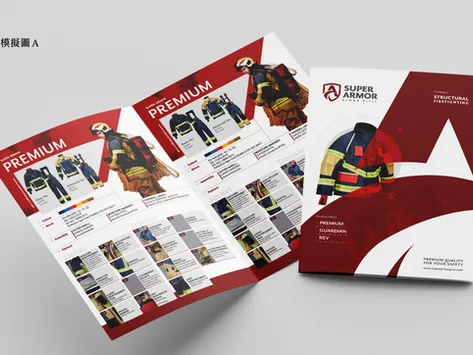
SUPER ARMOR|Fire-Safety Equipment Catalogue
Trust in high-spec equipment built through layout
Fire-safety equipment purchasing relies heavily on specification credibility and brand professionalism. We structured clear layouts for ordered information, designed a strong cover for first impact, and emphasised safety-certification details visually — so the catalogue effectively conveys professionalism and reliability in safety procurement.

Greenseed Biotech|ESG Sustainability Report Design
Biotech ESG: two narratives — scientific credibility and sustainability commitment
A biotech ESG report must speak to both the scientific community and investors — a more complex context than most industries. We balanced data precision with narrative in the layout, meeting ESG assessment standards while giving non-specialist readers a clear picture of the company's sustainability path — effective for every stakeholder group.
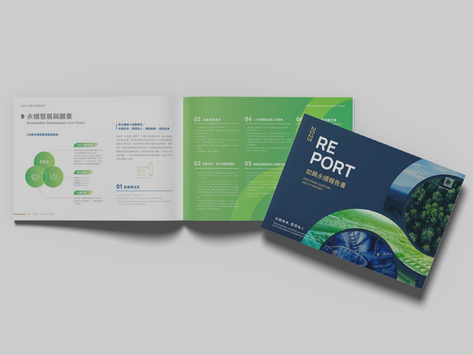
Roo Hsing|Textile Industry Catalogue & ESG Report
Industrial-scale professionalism and sustainability narrative built in parallel
Roo Hsing, a listed textile company, needed to convey both industrial scale and sustainability commitment across catalogue and ESG report. We unified the visual language — catalogue showing production scale and process quality, ESG report deepening the sustainability narrative within the same system — consistent brand image across international procurement and investor communications.

Hui An International|Catalogue Design for an International Trading Company
Catalogue architecture designed for cross-language reading
An international trading company's catalogue must serve buyers from multiple language backgrounds. We designed a clear table of contents, product classification, and cover image so buyers of any language background locate what they need quickly, conveying the company's international capability with a consistent brand image across markets.
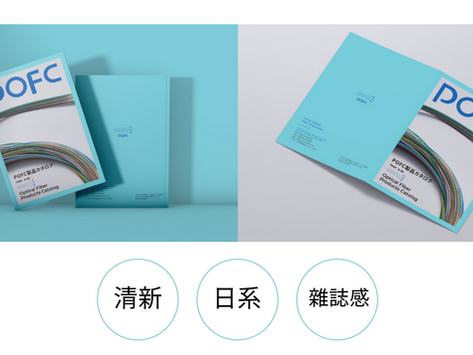
Zhuo Yue Fiber|Fibre-Optics Technology Catalogue
High-tech feel and clear information in equal measure
Fibre-optics buyers need technical specs and application scenarios from a catalogue, while expecting a brand with high technical credibility. We used a clean, precise layout that reads as tech-forward, weaving brand identity into the design so the catalogue balances technical showcase with brand image — serving both engineers and procurement decision-makers.
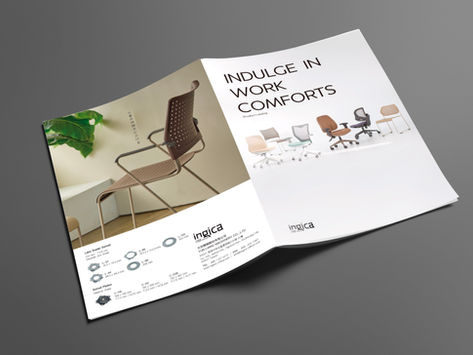
Yun Liang|Furniture Manufacturer Catalogue & Exhibition Design
Scene imagination that converts purchasing intent
A furniture catalogue is not just a spec sheet — it's a medium for buyers to imagine the product in use. We used contextual imagery showing chairs in residential, office, and dining settings, so buyers quickly connect product to application; then extended from catalogue to exhibition design, carrying the same scene-imagination approach into the physical trade show.

Boda International Hospital|Medical Catalogue & Packaging
Medical trust conveyed through design rigour
Boda International Hospital positions itself in international medical services; design must balance professional medical image with a global outlook. We emphasised clear information hierarchy and grounded colour in catalogue and packaging, building trust on first contact and crossing language and cultural barriers through a consistent design language for patients of multiple nationalities.
Our team brings 30 years of industry experience · Trusted by 1,000+ brands · Handled by a senior designer, start to finish
Book an Energy Audit Consultation
Through an initial consultation, we'll understand your plant's situation, major energy consumers, and carbon management needs before confirming the audit scope.