CISDesign:Every Touchpoint, Recognizably One Company.
Guidelines manual. Applications verified in the field. Trademark-first. One senior designer throughout.
Most identity inconsistency doesn't come from a lack of design — it comes from a lack of rules to follow: departments and branches commission materials independently, and the brand drifts apart at every touchpoint. CIS design's core work is establishing your logo, standard colors, and type as explicit guidelines — exact color codes, minimum sizes, usage limits — then rolling them out to business cards, signage, uniforms, and vehicles to confirm they hold up. Our team brings 30+ years of experience across 1,000+ companies, a trademark search before design begins, one senior designer throughout.
🔴 This quarter's CIS planning slots are nearly full


Whether a CIS Holds Up Comes Down to Three Things
The Manual Has to Answer Questions Unassisted
Most CIS deliverables end as a polished PDF that gets forgotten within six months — because the content sets a mood without giving a usable answer. Our guidelines manual specifies exact color codes, the logo's minimum size, and which uses are forbidden, so marketing, sales, and operations can look things up themselves instead of returning to the design team each time.
Rules Are Finalized Only After the Field Confirms Them
Guidelines that exist only on paper often break down at the print shop or job site: type blurs when a card shrinks, proportions shift when a vehicle wrap scales up. So while planning the CIS, we implement the core applications in parallel — laying out the actual business card, mocking up the actual signage — confirming the rules work on real materials before the manual is finalized.
Staff and Vendors Change — the Identity Doesn't
Marketing staff leave. Print vendors change. Design agencies rotate. A CIS exists precisely for these moments: with the guidelines manual and source files fully in the company's hands, new staff and vendors follow the same rules, and what they produce still reads as the same identity — no need to redefine the company's visual identity every few years.
The test of a working CIS is straightforward: six months after handoff, is anyone still consulting the manual to do their work.
Not sure what scope you need? A 15-minute call will clarify it.










Before You Commission a CIS, Confirm These Three Things
Guidelines State Values, Not Just a Style
If your team still has to ask the designer "is this okay?" every time, the guidelines aren't specific enough. Ours state exact color codes, type ratios, minimum sizes, and forbidden uses as hard numbers — consult the manual and you have your answer, no case-by-case confirmation needed.
Core Applications Are Built and Verified During Planning
Rules that were never tested against real materials often turn out unworkable after delivery. We design the core applications during the planning stage itself — from business cards to vehicle wraps — confirming the rules stay legible at small sizes and proportional at large ones before the manual is finalized.
The Identity Core Clears a Trademark Search First
The core of any CIS is the logo and standard colors. If that core carries trademark risk, the entire guidelines manual becomes moot. So we search the Intellectual Property Office database before drawing anything — a step few studios take, and none should skip.
Our Team's 30 Years of Work, Results You Can See
From manufacturing to F&B, medical, and global brands — 1,000+ companies trust our design capabilities

普利司通
日月香肉鬆
View case →
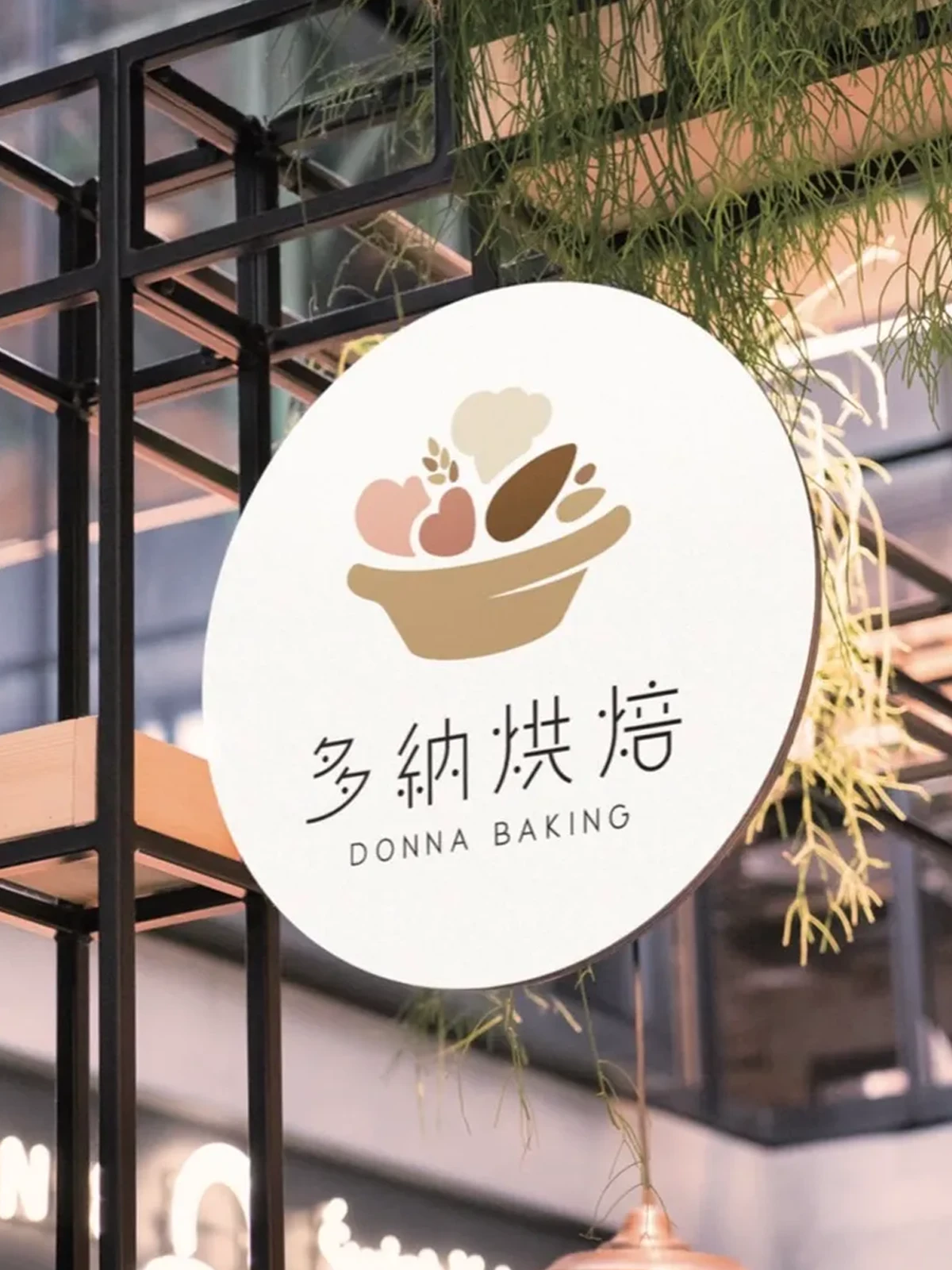
多納烘焙
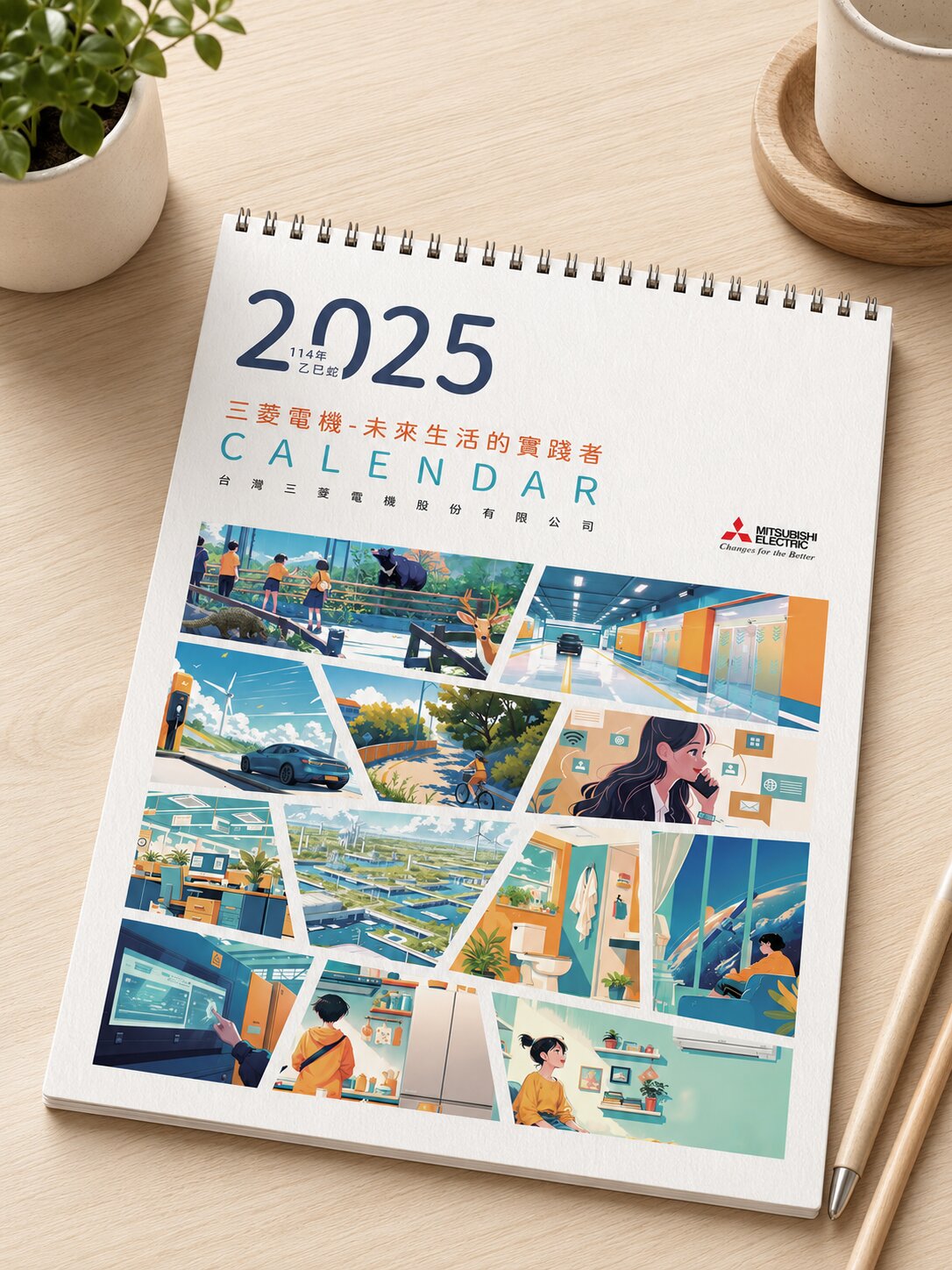
三菱電機

AURZ
View case →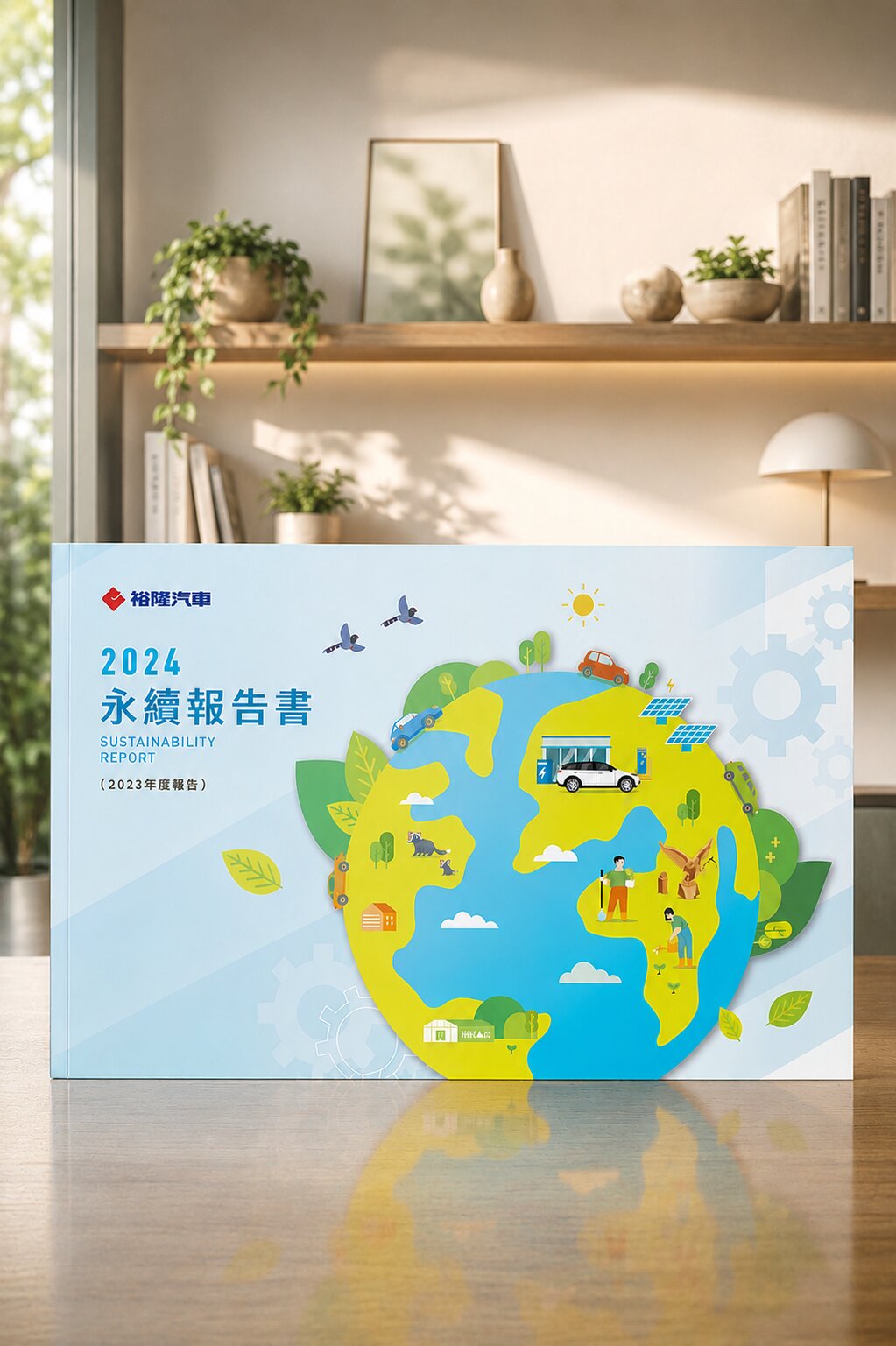
裕隆汽車

普利司通
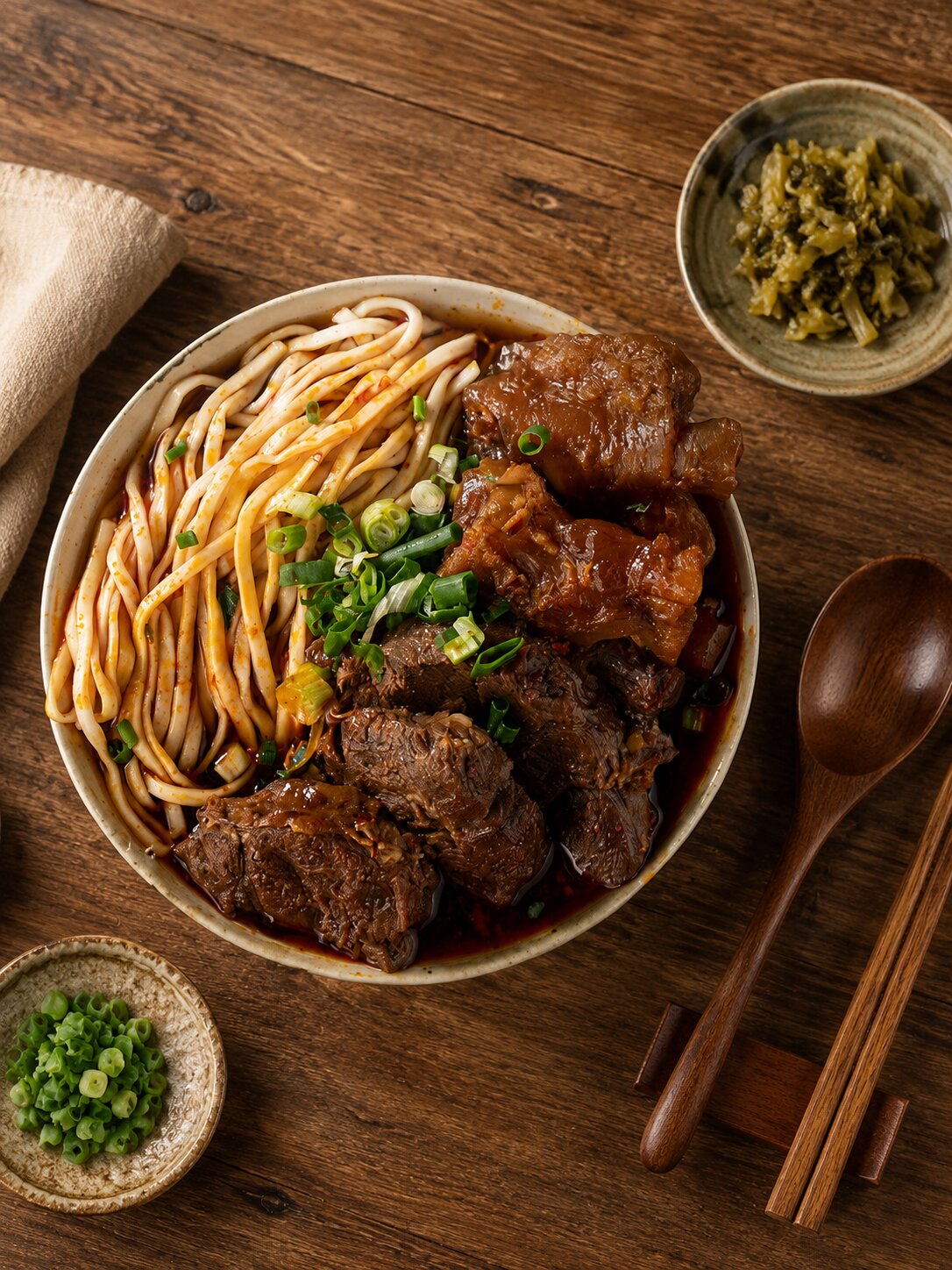
禾善堂
The Right CIS Scope for Your Stage
Different stages call for different priorities. Find yours here — we'll confirm the exact scope together in consultation.
Scenario A: Build a New CIS
- A new brand or venture needing a full identity system from scratch
- For: startups, new business units, sub-brand spin-offs
- Recommended: core logo design + CIS guidelines + core applications
Scenario B: An Inconsistent Identity Needs a Health Check
- Materials differ across departments or branches with no unified rules
- For: multi-branch companies, succession, brand aging
- Recommended: identity health check + CIS rebuild + application correction
Scenario C: Group / Multi-Brand Identity Architecture
- A group with multiple brands or units needing a manageable identity architecture
- For: corporate groups, franchise systems, multi-brand portfolios
- Recommended: parent/sub-brand CIS architecture + multi-tier usage rules
From Health Check to Rollout — Every Step Has a Deliverable
Identity Health Check
Lay out the existing logo, colors, and applications: where they diverge, which rules are missing
Trademark Search (IPO database)
Confirm the identity core is safe to register before design begins
Identity Core Design (Logo, Color, Type)
Design or refine the logo; settle the standard colors and type system
CIS Guidelines Manual
Color codes, type ratios, logo don'ts, and minimum sizes — all written into the manual
Application Rollout (Cards, Signage, Uniforms, Vehicles)
Build core applications per the guidelines — rules pass only if they print
Source Files + Final Guidelines
All-format source files and the finalized guidelines manual, delivered together
Our Team's 30+ Years · 1,000+ Companies of CIS System Work

Gong Yi Construction|A Multi-Year Project, an Identity Built to Last
Trademark search, identity core, and the guidelines manual
A single construction project can span several years — hoardings, site office signage, and handover documents keep being produced, and the identity has to hold up under sustained, high-frequency use. Gong Yi is built on the values of justice and fairness. We completed the trademark search first, established an elegant, resilient identity core, then wrote the color codes and forbidden uses into a guidelines manual, so the construction site and the sales center work from the same reference.
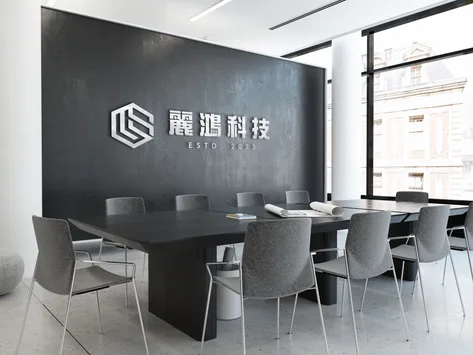
Li Hong Technology|One Rule Set, Tested at Card Scale and Sign Scale
Guidelines rolled out to cards and storefront signage, for real
The same identity is only a few centimeters on a business card and dozens of times larger on a storefront sign — most distortion happens in that gap. Li Hong's identity carries an industrial character through thick letterforms and technical integration through a geometric mark. We produced the actual business card and storefront sign during the planning stage to verify legibility at small scale and proportion at large scale before finalizing the guidelines.

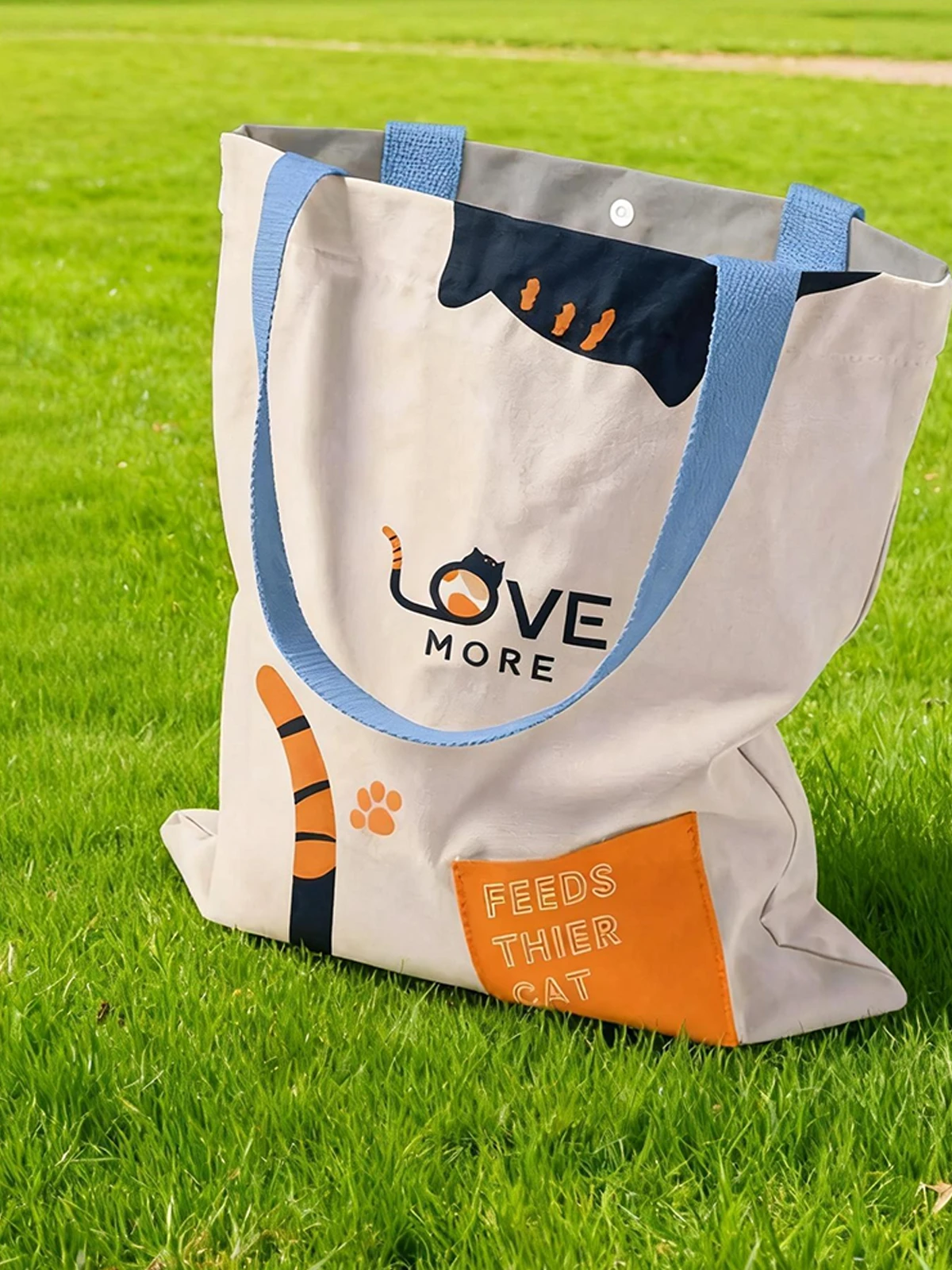
AURZ|Fast-Turnover Pet Materials, Kept Consistent by the Guidelines
Core identity written into rules, rolled out to applications
Pet-brand materials turn over quickly — packaging, social graphics, and event pieces are often in production simultaneously, handled by a large team. AURZ's identity is set through a friendly visual language and soft tones. We wrote it into clear CIS guidelines and rolled it out across brand applications, so whoever produces the next piece of material can maintain the same warm tone by following the rules.
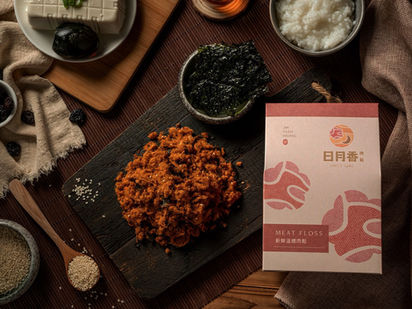
Ri Yue Xiang|A 40-Year Shop's Succession, Where Rules Keep the Trust
Distilling operating details into rules that can carry forward
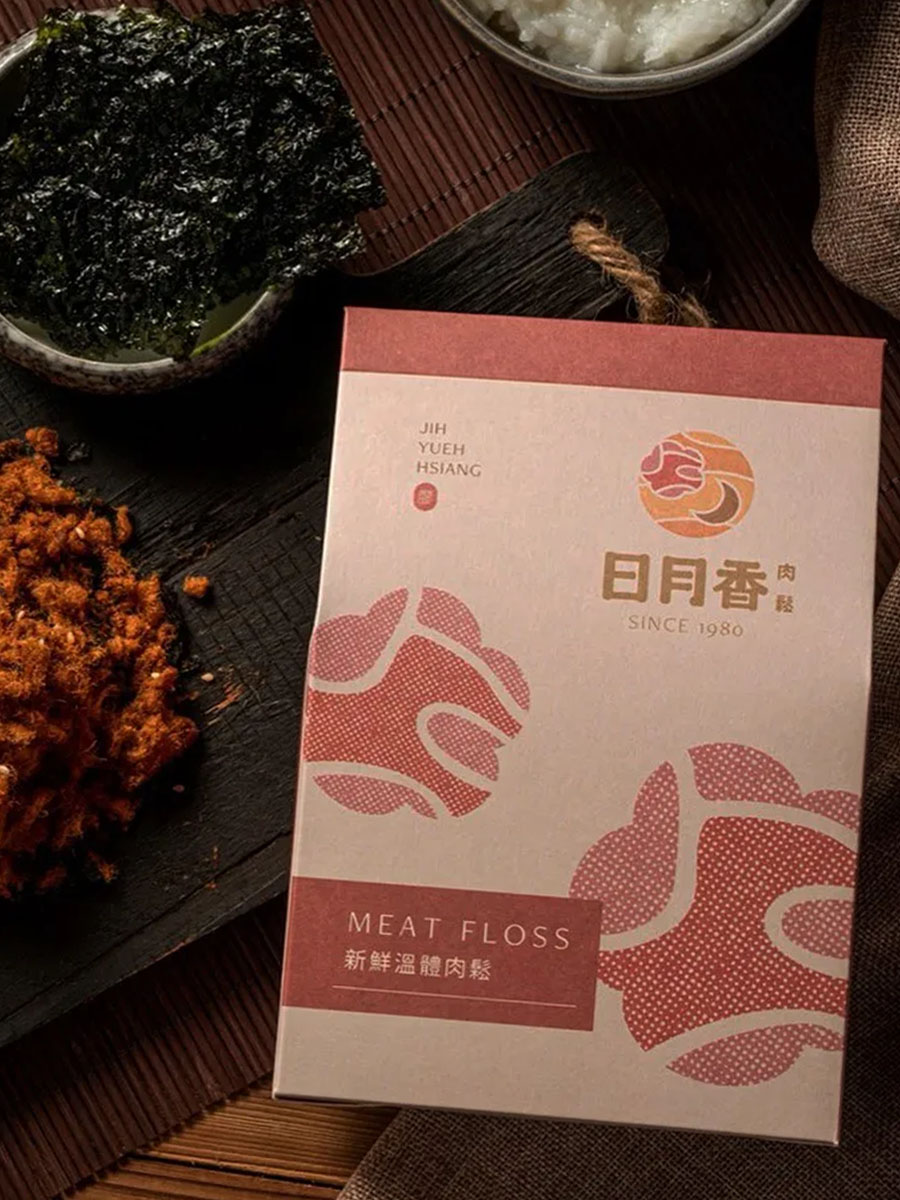
Ri Yue Xiang began as a Taoyuan market stall over forty years ago and, under second-generation management, still uses local warm pork, prepares before dawn, and adds no colorants or preservatives. What's most easily lost in a handover is the customer's trust in "the old flavor." We set warm type and earthy tones as the identity guidelines, then rolled them out to packaging and gift-box design — so as the product moved from a market stall to retail shelves, the trust conveyed visually stayed consistent with the operating details behind it.
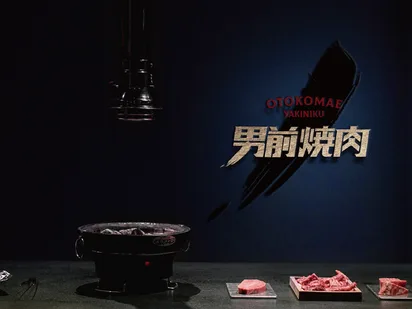
Nan Qian Yakiniku|A New Venture's Guidelines Must Carry Heritage and Speak to a New Audience
A new venture's guidelines, aligned with group heritage
Nan Qian Yakiniku belongs to Kaohsiung's Quan Cheng F&B group, whose Shantou-style hotpot brand has operated in Kaohsiung for over seventy years. Entering the yakiniku category required guidelines that both carry the group's accumulated credibility and appeal to a younger audience — both conditions had to hold at once. We established the identity core with clean type and grounded tones, then extended it into a full CIS, so the new brand's visuals carried a veteran group's weight from opening day.
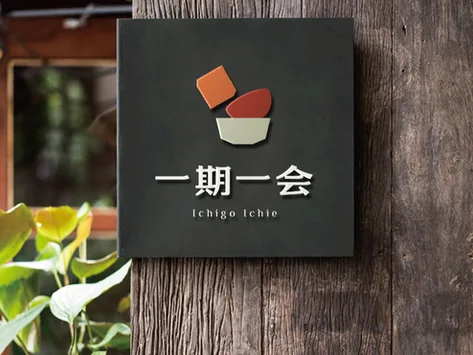
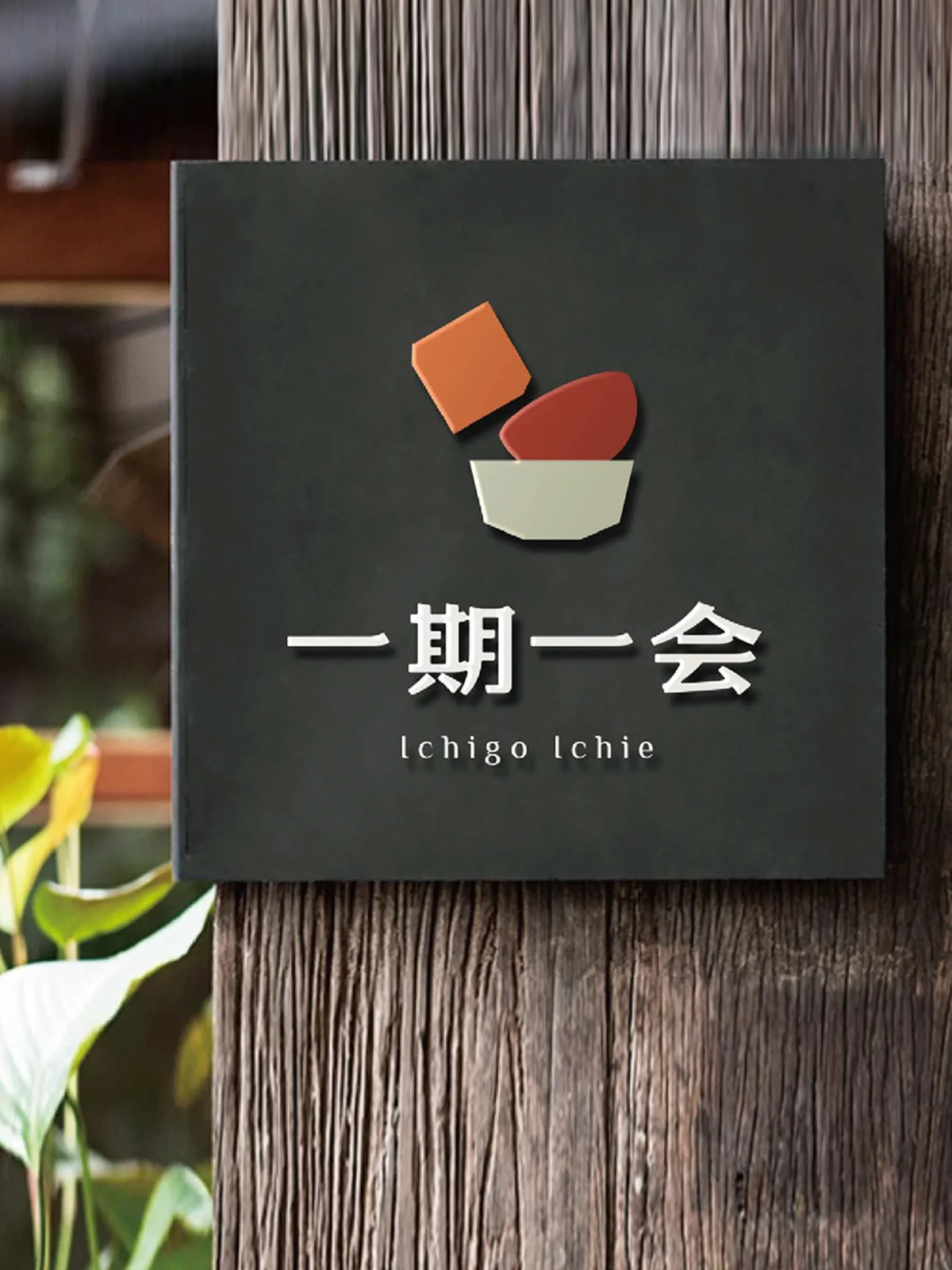
Ichigo Ichie|A Tea-Ceremony Philosophy, Consistent From Menu to Signage
An abstract concept turned into rollable guidelines
"Ichigo ichie" comes from the tea ceremony — a once-in-a-lifetime encounter that never repeats. This restaurant is built on seasonal ingredients and treasuring every gathering; the challenge was keeping that Eastern philosophy from thinning out as more application types were added. We made the identity core and VI rules explicit, then rolled them out to menus, storefront signage, and light-box design in turn, so the meaning conveyed at every touchpoint stayed consistent regardless of who produced each piece.
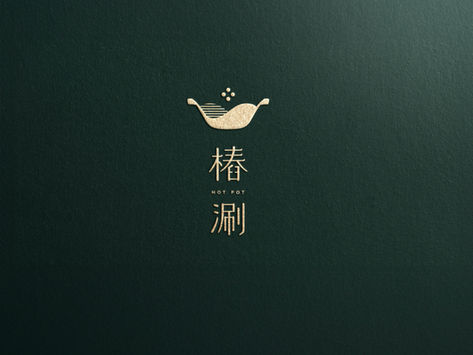
Chuang Shuan|A New Name After a Split, Cut Clean by New Guidelines
A relaunch where guidelines mark the clean break
After ending a partnership with a Japanese brand, the team chose to relaunch under a new name, keeping their commitment to ingredients while broadening their direction. The most common risk in this kind of relaunch is the old identity's visual habits quietly persisting into new materials. Drawing on the imagery of a Chinese idiom, we reset the identity core with a tone both warm and contemporary, then wrote the guidelines explicitly into a manual — so every new material for Chuang Shuan follows the new rules, with no trace of the old frame carried forward.
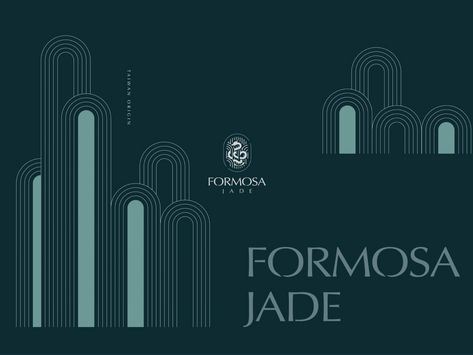
Formosa Jade|Where Trust Has to Carry Through to Every Unboxing
From identity core to packaging and gift box, consistently conveying expertise
Formosa Jade's founder watched a jade-loving mother buy a fake on her very first purchase — the origin of a brand built to speak for real jade. Trust in this category is hard to establish and easily lost in execution gaps between packaging and gift-box production. We established the identity core with refined Eastern texture, then rolled the guidelines out to packaging and gift-box design, so expertise and trust are conveyed at every unboxing, consistent across every batch.
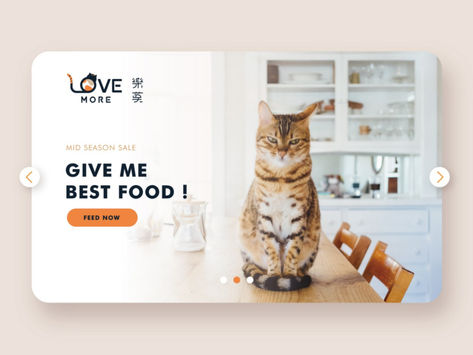
Le Mo Cat Food|A Transparency Claim That Had to Become a Rule, Not an Opinion
An AAFCO-standard claim, written explicitly into packaging rules
Le Mo's two founders are cat owners themselves who entered the cat-food market from personal experience, and — frustrated by unclear labeling on most imported brands — committed to AAFCO-standard transparency as the core claim. A claim like this, left uncodified, easily produces inconsistent wording across packaging batches. We built a warm, trustworthy visual identity and wrote the labeling rules explicitly into the packaging guidelines, so "transparency" doesn't vary by batch or by who executes it.

Answer Automation|A Slogan That Had to Become an Executable Visual Rule
"For answers, find Answer," translated into a rule-based visual system
Answer Automation's position is that Industry 4.0 is about the whole solution, not just hardware, summed up in "for answers, find Answer." A positioning line doesn't translate itself onto materials — it requires guidelines to turn it into concrete visual decisions. We established a crisp, tech-credible identity core and extended it into a full CIS, giving that positioning a consistent, followable visual expression across proposals, business cards, and every other material.
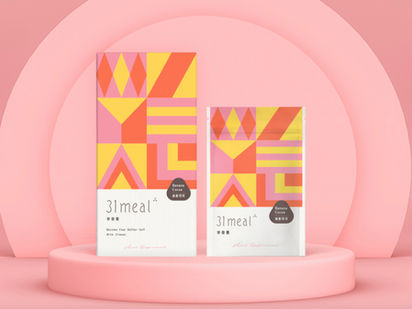
31MEAL|Fast-Cycling Packaging, Kept Efficient by a Lite CIS
A lite CIS keeping packaging and identity rollout efficient
31MEAL, a brand under JPAST, is built on "simple health" — a formula designed to replace one of three daily meals. Meal-replacement packaging cycles quickly, and re-confirming identity rules on every revision would slow down time to market. We built a lite CIS for this reason, specifying standard colors and type ratios, so each update to packaging and identity design can proceed quickly against the rules, without renegotiating the visual baseline case by case.
Our team brings 30 years of industry experience · Trusted by 1,000+ brands · Handled by a senior designer, start to finish
Book a CIS Planning Consultation
We start with an identity health check — see where your materials diverge, then talk scope and quote.